MA International Disaster Psychology: Trauma and Global Mental Health
Program Overview
The Master of Arts (MA) in International Disaster Psychology: Trauma and Global Mental Health (MAIDP) at the University of Denver’s Graduate School of Professional Psychology provides graduate-level education and training in clinical and applied psychology, preparing students for careers in health service psychology with a focus on trauma, disaster and humanitarian action, crisis intervention, and global mental health. Grounded in the University of Denver’s commitment to social responsibility and innovation, the program trains clinicians who are both locally grounded and globally engaged, with a mission centered on social justice, trauma-informed care, global equity, and the promotion of individual and community resilience.
Accredited by the American Psychological Association (APA), the MAIDP program emphasizes the integration of science and practice, multicultural competency, ethical global mental health practice, and professional development. Training is guided by a competency-based model, ensuring that students attain discipline-specific knowledge and profession-wide competencies consistent with APA’s Standards of Accreditation for Master’s Programs in Health Service Psychology (SoA-M).
Students receive comprehensive training across domains such as assessment, diagnosis, and intervention, with special emphasis on cultural and contextual factors in trauma and disaster recovery. Coursework incorporates global mental health frameworks, evidence-based clinical practice, and research and program evaluation skills for community and humanitarian settings, preparing graduates to promote resilience and wellbeing across cultures and contexts.
Start Dates: Fall
Curriculum: 90 Credit Hours
Program Length: 2 Years
25 students per cohort
4:1 student-faculty supervision ratio
700+ training hours per student
94% employment within 12 months
Master of Arts in International Disaster Psychology: Trauma and Global Mental Health
How our curriculum prepares you for your career in global mental health

Gain hands-on experience from practicum and global mental health internships
Complete local practicums and global mental health internships where you’ll work directly with trauma survivors and vulnerable populations, putting your knowledge into practice in real-world settings.

Navigate global mental health interventions
Gain a deep understanding of international mental health systems and policies in Global Mental Health Systems (CPSY 4509). Learn to implement effective mental health interventions across diverse global contexts.

Develop cultural competency for diverse settings
Build critical skills to work effectively across cultural boundaries in Multiculturalism & Diversity & Trauma Interventions in Cultural Contexts (CPSY 4505). Cultural competency is embedded throughout our curriculum to prepare you for global mental health challenges.

Respond to acute mental health crises
Master intervention strategies for disaster and conflict zones in Crisis Intervention & Suicide Prevention & Disaster Behavioral Health (CPSY 4570), equipping you to handle high-stakes situations.

Synthesize your learning in a capstone paper
Conclude your program with a capstone paper that integrates field-based research and practice, preparing you for professional opportunities in trauma psychology and global mental health.
Request For Information

Academics
The curriculum provides a strong foundation in biological, cognitive, affective, developmental, and social aspects of behavior, as well as research related to practice. Signature courses include Lifespan Development and the Cultural Context, Working with Diverse Populations, Interview, Assessment, and Diagnosis, and Global Mental Health and Psychosocial Interventions.
View curriculum
Clinical Training and Service
Through the Trauma and Disaster Recovery Clinic (TDRC), students provide more than 2,000 hours of supervised clinical services each year to individuals and families affected by trauma, displacement, and systemic inequities. Clinical training integrates APA Profession-Wide Competencies, emphasizing cultural humility, ethical practice, and responsiveness to community needs.
Trauma & Disaster Recovery Clinic
Global Mental Health Internship
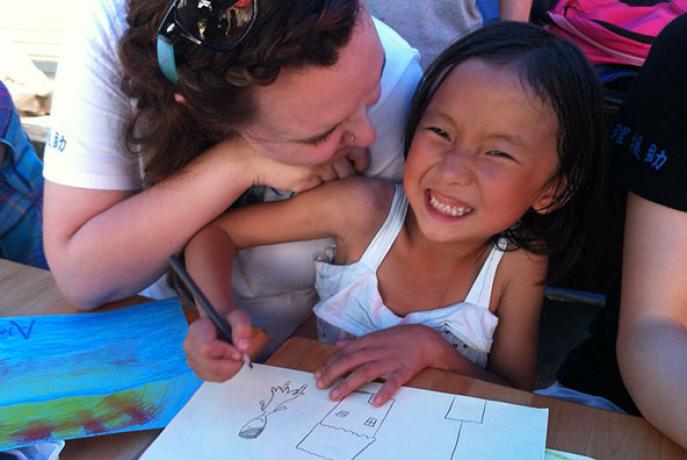
Students complete an eight-week, 35-hour-per-week Global Mental Health Internship, applying classroom learning to community and humanitarian settings around the world.
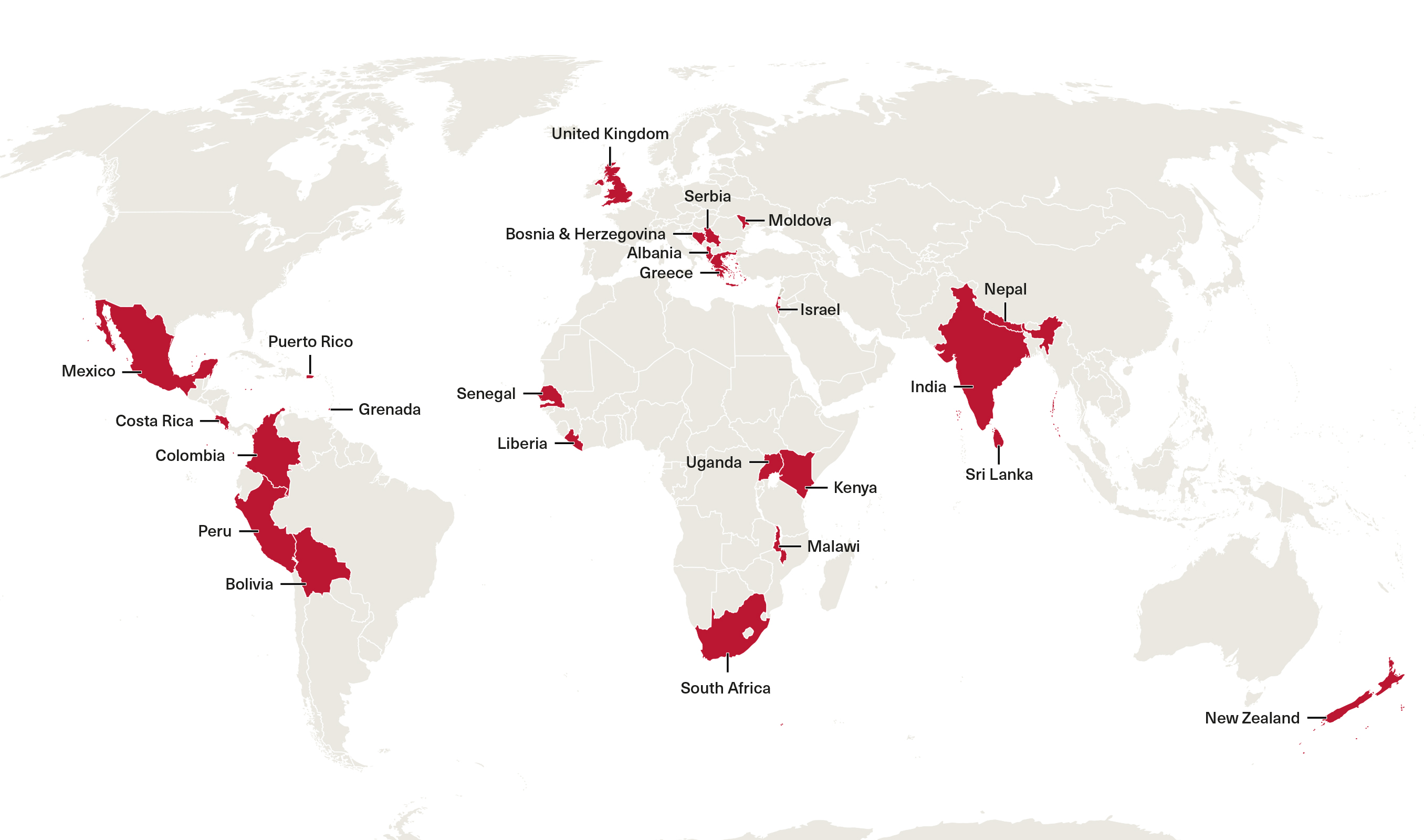
Placements have occurred in more than 15 countries across Africa, Asia, Europe, and Latin America, partnering with NGOs, refugee agencies, and international organizations.

Practicums
Students gain supervised clinical and applied experience across Denver and the Front Range in a wide range of practicum settings, including community mental health centers, refugee resettlement agencies, schools, hospitals, and correctional or crisis services. Through these local training opportunities, students develop the skills to serve diverse communities while building a broader understanding of trauma, disaster response, and global mental health.
Global Mental Health Internship
During the summer between their first and second year, students complete an eight-week immersive global mental health international internship, applying classroom theory to practice in diverse global contexts. Students are carefully matched with established partner sites whose missions address critical mental health and psychosocial needs among individuals and communities affected by trauma, displacement, disaster, poverty, and systemic inequities. We collaborate with outpatient facilities, hospitals, community clinics, child and youth homes, substance use treatment centers, organizations serving survivors of trafficking and gender-based violence, refugee and migrant support agencies, and grassroots non-governmental organizations. Under supervision from site-based professionals and faculty mentorship from our program, students engage in culturally responsive, ethically grounded practice while contributing meaningfully to partner organizations’ ongoing work.
Partner sites vary year-to-year based on community-identified needs and emerging opportunities. Recent placements are reflected in this map.

Careers for MA in International Disaster Psychology: Global Mental Health
Our MAIDP graduates have a high job placement rate, with all of our graduates seeking employment in the field securing jobs within six months of graduation. Most attain roles ranging from international NGOs to domestic clinical positions.
- Crisis or Trauma Counselor
- Disaster Response Mental Health Specialist
- Global Health Consultant
- Program Evaluator for International NGOs
- Humanitarian Aid Worker
- Therapist with a focus on trauma recovery
MAIDP Faculty & Staff
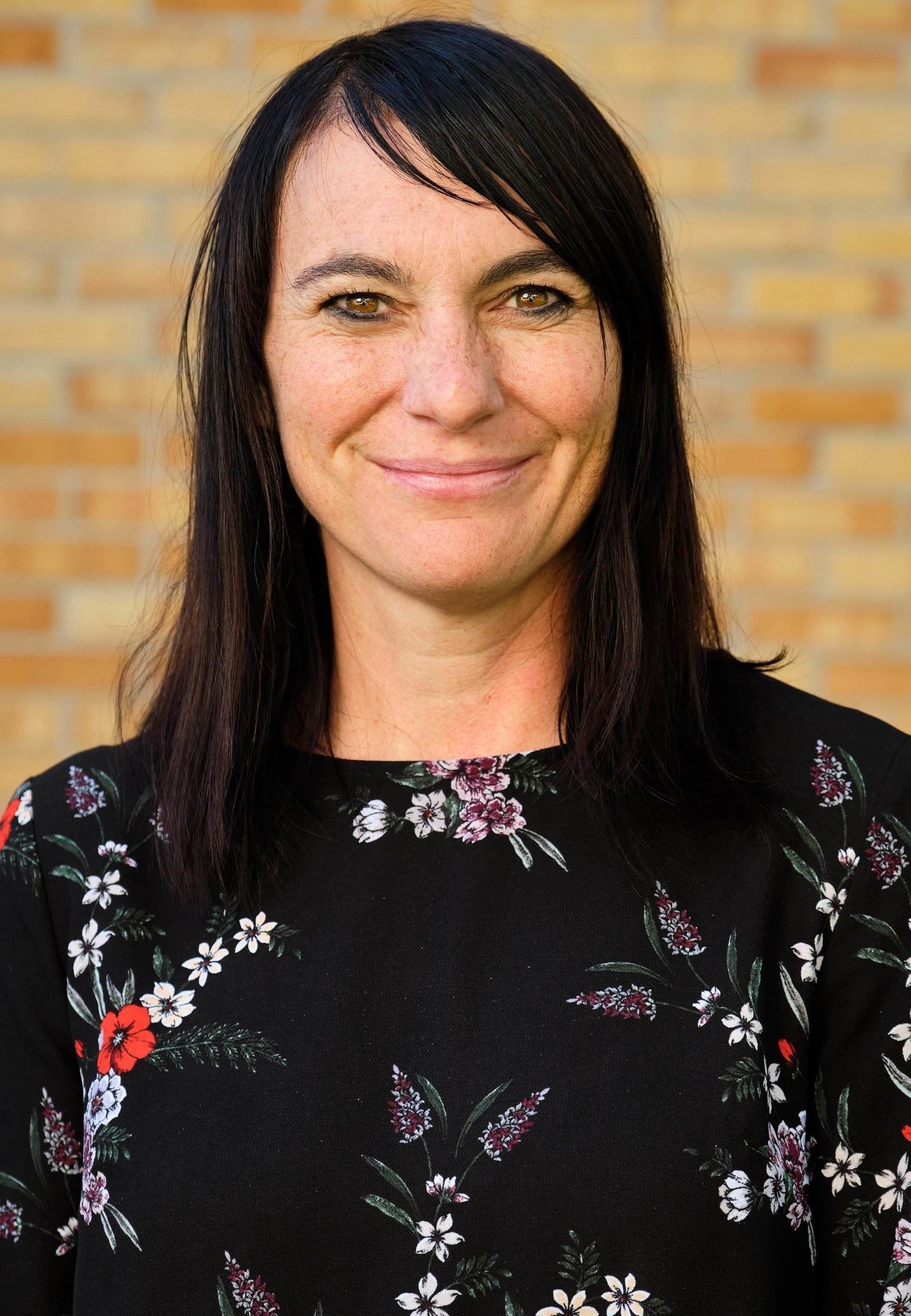
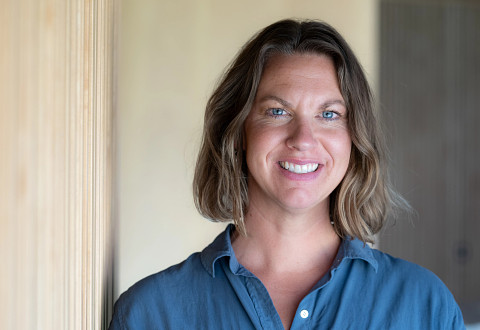
Maria Vukovich
Research Professor & Co-Director, International Disaster Psychology Program
Learn More






Drive change with Interdisciplinary Global Mental Health Innovation
The Interdisciplinary Global Mental Health Innovation (IGMHI) initiative delivers community-engaged, culturally responsive, trauma-informed services to communities worldwide facing challenges such as climate change, armed conflict, crises, migration, human rights violations and violence.
With a team of skilled practitioners, researchers, educators and activists, IGMHI focuses on enhancing health and well-being while advancing durable, equitable solutions for social justice, planetary health and the social determinants of health.
Learn MoreCommunity Resources
Trauma & Disaster Recovery Clinic
Students provide clinical services to clients in the Trauma & Disaster Recovery Clinic at DU, which provides help to those affected by trauma including accidents, crime, abuse, natural disaster and refugee status. The TDRC offers comprehensive psychological services to alleviate the effects of traumatic experiences and foster resilience as well as personal, family, and community growth.
Learn more about the TDRC
Peace Corps Fellows
We are proud to partner with the Paul D. Coverdell Fellows Program to support returning Peace Corps volunteers to continue their dedication to community service while developing essential professional skills.
Benefits for returned Peace Corps volunteers:
- Application fee waiver
Scholarship Information:
GSPP has one Coverdell Fellowship to award per year. Thus, not all RPCV students receive this scholarship. Please email julie.schellman@du.edu to inquire.
Eligibility and requirements:
Applicants must indicate in the online admission application to the program that you are a returned Peace Corps volunteer and wish to be considered for a Coverdell Fellowship and upload a copy of your official Description of Service from the Peace Corps. Funds may not be available if this information is not indicated in the application.
More information about The Paul D. Coverdell Fellows Program can be found on the Peace Corps website.
Please contact julie.schellman@du.edu with questions.

Start Your Application
We invite you to learn more about our program's application requirements and deadlines.